
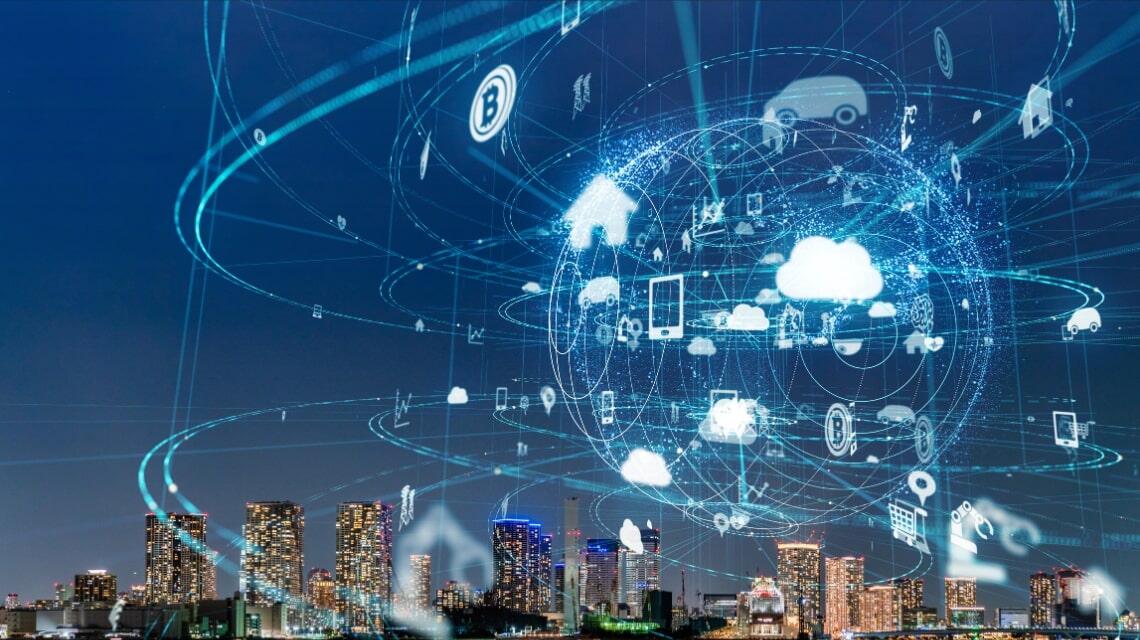
What Is the Internet of Things?
The internet, which has become an integral part of every aspect of our lives, has long been incorporated into almost every object as well. Refrigerators, televisions, cars, and even homes are among the remarkable examples of this integration. So, what is the Internet of Things? You have probably heard this term before, and in this article, you can learn more about it in detail. So, what exactly is IoT?
About Internet of Things Technology
Let's start by answering the question, what is the Internet of Things? The Internet of Things, or IoT, is a network of physical devices and objects connected to one another over the internet that collect and share data and, in some cases, analyze this data and take automated actions. These devices range from household appliances to industrial machinery and automobiles. Of course, the world of the Internet of Things also encompasses many different concepts, including connected devices, sensors, data analytics, automation, and smart homes. You can find explanations of these terms and their areas of use below.
- Connected Devices: The fundamental components of IoT are devices that can connect to the internet and exchange data. These devices include smartphones, smartwatches, household appliances, sensors, industrial equipment, and vehicles.
- Sensors: IoT devices are generally equipped with various sensors to collect data from their surroundings. These sensors can monitor temperature, humidity, light, pressure, movement, and other physical conditions and transmit this information to users.
- Data Analytics: IoT systems use advanced software and algorithms to analyze the collected data. These analyses are used to provide users with information, improve system efficiency, and enable automated decision-making.
- Automation: The analyzed data can be used to automate specific actions. For example, a smart thermostat can automatically lower the temperature when no one is at home.
- Smart Homes: Smart homes that use IoT systems allow users to remotely control and manage their homes through devices such as smart thermostats, lighting systems, security cameras, and smart door locks.
- Wearable Technology: These IoT-enabled products are frequently used, particularly in the healthcare sector. They collect patients' medical data and transmit it to doctors in real time. This allows patients' conditions to be continuously monitored and enables early intervention.
- Smart City Systems: City services such as traffic management, energy distribution, waste management, and public safety can be made more efficient through IoT technologies. For example, traffic sensors and smart signaling systems can optimize traffic flow.
- IoT in Agriculture: Sensors that monitor agricultural data such as soil moisture, weather conditions, and plant health help farmers develop more efficient and sustainable farming practices.
Advantages of IoT
- Increased Efficiency: IoT increases efficiency by automating and monitoring processes.
- Cost Savings: It reduces costs by lowering energy consumption and enabling more efficient use of resources.
- Improved Decision-Making: Real-time data and analytics enable faster and more informed decision-making.
- New Business Models: IoT creates opportunities to develop new services and business models.
Examples of the Internet of Things in Commerce
It is, of course, possible to explore examples of the Internet of Things in the e-commerce sector as well. From inventory management and smart labeling to personalized shopping experiences and dynamic pricing, the Internet of Things offers remarkable opportunities in many areas.
- Smart Inventory Management: IoT sensors and devices can continuously monitor the stock levels of products in warehouses. These systems can detect when products are running low and automatically place new orders. This minimizes stockouts and increases customer satisfaction. For example, Amazon automates and optimizes inventory management in its warehouses using robots and sensors. This system ensures that products are properly placed, tracked, and delivered to customers quickly.
- RFID, Smart Labeling: RFID, which stands for Radio Frequency Identification, is used to track products throughout their journey from production to the consumer. These tags can be integrated with IoT to monitor product movements and provide real-time data. For example, retail giants such as Zara use RFID technology to track in-store inventory and optimize product placement. This system enables store employees to count inventory more quickly and provide better service to customers.
- IoT devices can monitor customers' shopping habits and preferences and provide personalized recommendations. Wearable technologies and mobile applications can be highly effective in offering customers personalized discounts and product recommendations. For example, some Samsung refrigerator models help users create shopping lists and place online orders.
- IoT can also help implement dynamic pricing strategies by monitoring supply and demand data in real time. This allows prices to be automatically adjusted according to demand, offering advantageous pricing for both retailers and customers. For example, platforms that offer flight ticket and hotel booking services can use IoT data to dynamically adjust prices based on demand. As a result, prices may increase during peak periods while discounts may be offered during periods of low demand.
- IoT devices can improve customer service processes and help resolve issues more quickly. For example, smart devices can automatically notify technical support teams when they malfunction and initiate the repair process. Another familiar example is Amazon. Amazon Echo devices allow users to use voice commands to shop, track orders, and contact customer service. This makes the customer support process much more efficient and user-friendly.
To learn more about a great example of how the Internet of Things and artificial intelligence technologies are frequently used in providing e-commerce solutions, you can also take a look at our article What Are SMS Marketing, Email Marketing, Web Push, and Mobile Push?