
What Is a Virtual Tour and How Does It Work?
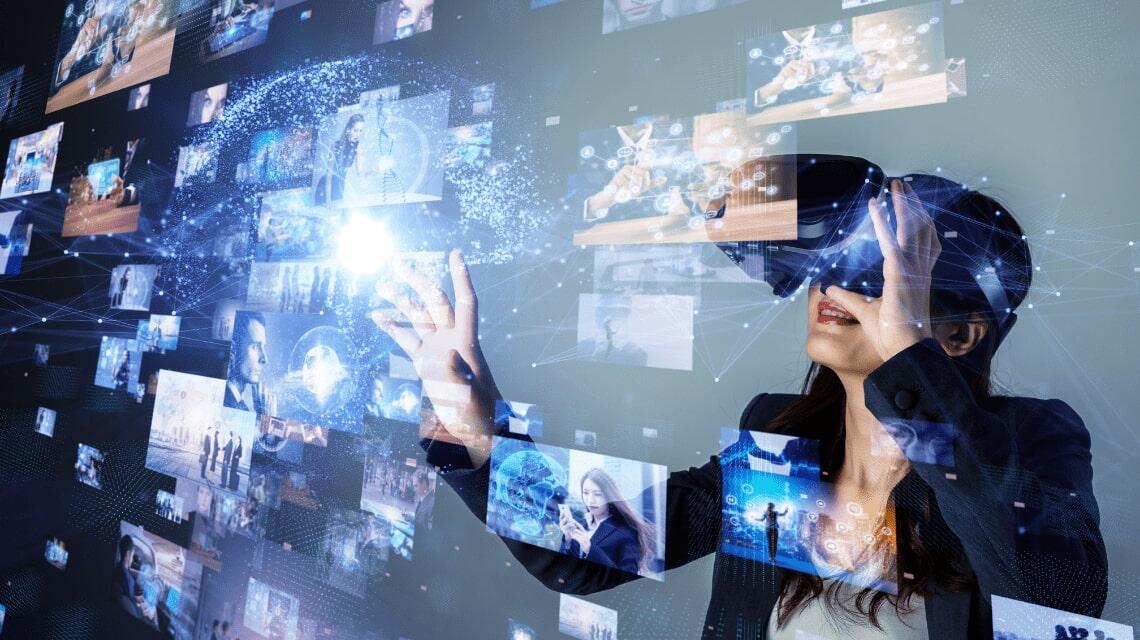
A virtual tour is an experience that allows users to visit different geographical locations virtually over the internet using computers or other devices. This technology is generally supported by tools such as specialised software, virtual reality headsets, or computer games. Even without being physically present in a real-world location, users can explore it, interact with it, and experience its content through a virtual tour. Virtual tours can be used for many purposes, including exploring tourist attractions, supporting education, and providing virtual access to historical and cultural sites.
A virtual tour generally includes 360-degree videos, interactive maps, and other visual and audio content. By accessing this content through computers or virtual reality headsets, users can enjoy an experience that makes them feel as though they are physically present at the location. This technology enables people to explore different parts of the world by overcoming factors such as travel restrictions, long distances, and financial limitations.
360-Degree Virtual Tours in the Tourism Industry: Advantages and Disadvantages
360-degree virtual tours are becoming increasingly popular in the tourism industry as digital technology continues to develop. These virtual tours are offered through online platforms to simulate real-world experiences for users. The advantages and disadvantages of this type of virtual tour are as follows:
Advantages:
1. Ease of Access: 360-degree virtual tours can be accessed at any time and from anywhere. This allows users to visit different parts of the world without physically travelling there.
2. Cost Savings: Virtual tours significantly reduce the costs associated with real travel. As there are no expenses such as flights, accommodation, food, or drinks, they offer a more economical travel experience.
3. Time Savings: They allow users to visit many locations within a short period without spending as much time as they would on traditional travel.
4. Discovering New Places: Virtual tours enable users to explore locations they have never visited before or that may be difficult to access.
5. Flexibility: Users can take virtual tours at their own pace and whenever they choose. The ability to view locations from different angles also provides greater flexibility.
Disadvantages:
1. Lack of a Real Experience: Virtual tours cannot replace an actual travel experience. Experiences such as engaging with the local culture and tasting regional cuisine cannot be fully recreated through virtual tours.
2. Dependence on Technology: Virtual tours depend on an internet connection and compatible devices. The use of this technology may also cause discomfort for some users.
3. Lack of Physical Interaction: Experiences such as interacting with people and meeting new individuals, which are part of real travel, are not possible through virtual tours.
4. Lack of Real-Time Change: Virtual tours do not provide the experience of real-time change and discovery. Users cannot fully capture the live atmosphere or immediate changes taking place at the locations they visit.
5. Limited Coverage: Virtual tours have not yet been created for every location around the world. As a result, virtual access to some popular tourist attractions may be limited.
Overall, 360-degree virtual tours can be an excellent option for people who do not have the opportunity to travel or experience difficulties doing so. However, it should be remembered that they cannot fully recreate a real travel experience.
360-Degree Virtual Tours in Education: Redefining Learning
360-degree virtual tours in education transform the learning experience through a modern approach, providing students with deeper and more interactive learning opportunities in real-world contexts. This technology enables students to overcome geographical limitations and explore different cultures and historical sites virtually. For example, 360-degree virtual tours can offer students a more engaging and visual learning experience by allowing them to explore an ancient city during history lessons, ecosystems during biology lessons, or museums during art history lessons.
However, using this technology in education also presents certain challenges. Educators must have the appropriate infrastructure and technical knowledge to integrate virtual reality content into their lessons. A strong internet connection and suitable hardware are also essential for using the technology effectively. Nevertheless, when implemented correctly, 360-degree virtual tours can enrich educational experiences, attract students’ attention, and help them understand subjects more effectively.
Virtual Tour Systems and the Preservation of Cultural Heritage
Virtual tour systems have become an important tool for preserving cultural heritage and improving its accessibility as technology has developed. By allowing people to visit historical and cultural heritage sites in different parts of the world virtually, these systems help protect and promote this heritage.
Virtual tour systems are generally presented as interactive platforms that can be accessed through 360-degree viewing technology, virtual reality headsets, or a standard web browser. These systems allow users to explore historical buildings, museums, archaeological sites, and other cultural heritage locations.
Virtual tour systems play an important role in preserving cultural heritage. First, they provide people who cannot physically visit these locations with an opportunity to explore and experience cultural heritage. Virtual tour systems can also be used to protect sensitive sites that may be damaged by heavy visitor traffic. Through these systems, physical access to vulnerable locations can be controlled while still allowing people to visit them virtually.
360-Degree Virtual Tour Applications: Guided Tours of Popular Destinations
360-degree virtual tour applications bring a new dimension to guided exploration at popular destinations. These applications allow users to discover different parts of the world through computers or mobile devices, recreating a real travel experience in a virtual environment. Users can explore famous tourist destinations, historical sites, and natural attractions through 360-degree images, navigate areas using interactive maps, and access detailed information. These applications provide an engaging guided-tour experience for people who cannot travel or who want to prepare before visiting a destination by enabling them to explore popular locations virtually.
However, it should be remembered that 360-degree virtual tour applications cannot fully recreate the experience of physical travel. The inability to reproduce elements such as sensory experiences, atmosphere, and local flavours demonstrates that virtual tours have certain limitations when compared with real travel. Nevertheless, these applications make travel experiences more accessible by giving people who cannot visit a destination because of travel restrictions, financial limitations, or time constraints an opportunity to become familiar with its atmosphere and characteristics.