
Selling Shoes Online: What You Need to Know Before Launching Your Online Store
With the rapid growth of online commerce, the footwear industry continues to gain a significant share of the digital marketplace. As consumers become less dependent on physical stores, the number of people shopping online continues to rise. This creates valuable opportunities in sectors such as footwear, where both functionality and fashion influence purchasing decisions. If you're planning to enter this market, simply sourcing products or building a website may not be enough. Before launching your online shoe store, there are several key factors you should consider to achieve long-term success.
Footwear is a constantly evolving product category shaped by both functionality and fashion trends. There is a wide variety of styles for women, men, and children, including seasonal collections and products designed to meet different customer needs. This also means the competition is intense. Before entering the market, you should develop a strategy focused not only on your products but also on your brand, target audience, and customer experience. To stand out in e-commerce, you need a unique vision, a strong digital infrastructure, and a service approach that meets customer expectations.
So, what should you consider before launching an online shoe store? What are the latest footwear trends in e-commerce? How can you successfully sell shoes online? If you're planning to start an online shoe business, you'll find everything you need to know in this guide.
What to Consider Before Selling Shoes Online
Selling women's or men's shoes online can be a highly profitable e-commerce business, but it requires careful planning and attention to detail. Before you begin selling, consider the following key factors:
- Define Your Target Audience: Not every shoe style appeals to every customer group. Therefore, it's essential to identify the audience that best matches the products you plan to sell.
- Conduct Market Research: Analyze your competitors' pricing, promotional campaigns, customer reviews, and website user experience. This will help you identify opportunities to differentiate your business. Understanding which brands and products sell well, what customers trust, and why products are returned will provide valuable insights for building your business strategy.
- Choose the Right Suppliers: Businesses with poor product quality, unreliable inventory management, slow delivery times, or weak supply chains are unlikely to achieve long-term success. Since footwear combines both style and comfort, working with reputable manufacturers helps build customer trust. Testing products, requesting samples, and evaluating stock availability before choosing wholesale suppliers is highly recommended.
- Build a Strong Brand and Differentiate Yourself: In the e-commerce industry, offering quality products alone is often not enough. Your brand story, visual identity, and communication style play an important role in setting you apart from competitors. Building a trustworthy footwear brand increases customer loyalty. Elements such as product packaging, website design, and social media presence all contribute to creating a consistent brand identity.
Technical and Legal Requirements for Your Online Shoe Store
Before creating your online sales platform, you need to meet several essential technical and legal requirements. These elements are extremely important for gaining customer trust and protecting your business from potential legal issues. The key technical and legal aspects you should know before selling shoes online can be summarized as follows:
- E-Commerce Infrastructure: If you want to open an online store, you need a fast, mobile-friendly, and user-friendly website. When choosing an e-commerce platform, it is important to consider factors such as easy product management, payment system integration, shipment tracking options, campaign management, and SEO compatibility.
- SSL Certificate and Security: When selling physical products such as shoes, customers need to enter their payment information and personal data on your website. Therefore, an SSL certificate and security and quality certificates are essential. Customers want to feel confident that their purchases are secure. Websites using the HTTPS protocol increase customer trust and also achieve better rankings in search engines.
- Distance Sales Agreement and Privacy Policy: Your online store must include legal documents that protect consumer rights. Selling online without these documents may create legal risks.
- Payment and Invoicing Systems: You can benefit from various online payment solutions to provide secure transactions and easy integration. These services also allow you to connect with e-invoicing systems, helping you speed up your digital billing processes.
Customer Experience and Trust-Based Sales Strategies
When selling men's or women's shoes online, your goal should not only be to sell products but also to build trust, ensure customer satisfaction, and encourage repeat purchases. This can be achieved through a well-designed customer experience. To create a smooth shopping journey, consider the following points:
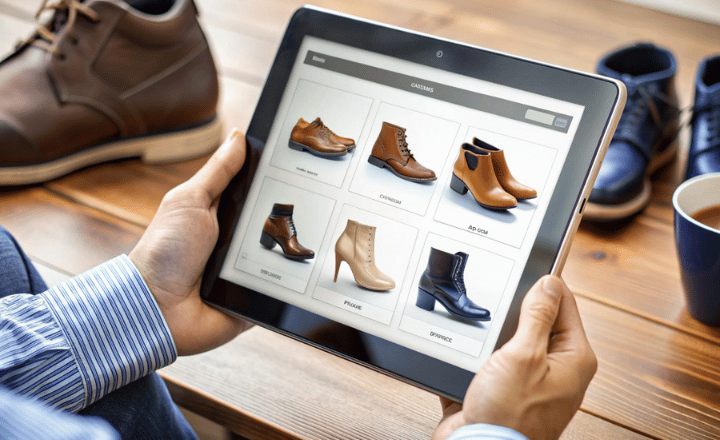
- Product Descriptions and Photos: Product photography is extremely important in online shoe shopping. Your product images should be clear, taken from multiple angles, and show detailed features. In addition, providing information such as sizing details, sole characteristics, and fit recommendations in product descriptions can help reduce incorrect purchases.
- Shipping and Delivery Processes: Shipping and return processes play a major role in shoe sales. Brands that offer fast delivery gain an advantage in customer loyalty. The performance of your shipping partners, damage-free delivery rates, and tracking systems directly affect sales success. Delivery times should also be clearly stated, and customers should be informed about shipment updates via email or SMS.
- Return and Exchange Process: Since shoes require proper size and fit, return rates can be high. Therefore, you should create a clear, fair, and easy-to-use return and exchange policy. If customers experience difficulties during the return process, they may not shop from your store again. Clearly explaining return conditions and shipping procedures is essential.
- Live Support and Communication: Customers with questions should be able to reach you quickly. Tools such as WhatsApp support, live chat systems, and fast email responses improve customer satisfaction. You should also actively respond to comments and messages received through social media.
Tips to Strengthen Your Sales and Marketing Strategy
After launching your online shoe store, you need to develop effective marketing strategies to increase your sales. To reach the right target audience, build trust, and improve your conversion rates, you can benefit from several different methods.
First, you should optimize your website to improve its visibility on Google. Through SEO efforts such as keyword research, product page optimization, blog content, and meta descriptions, you can attract organic traffic. Blog topics such as “Best Women's Sneaker Models” or “How to Clean Leather Shoes?” provide valuable information to users while helping your website rank higher in search results.
Social media platforms are also highly effective for shoe marketing. You can expand your reach through product photography, influencer collaborations, and story-based campaigns. In addition, sending email and SMS reminders to users who abandoned their carts, especially during campaign periods or special discount days, can help increase conversions. Effective subject lines, timely messages, and personalized content can improve response rates.
Promotions such as first-order discounts, free shipping, or “buy two, get one free” campaigns can encourage customers to make faster purchase decisions. However, these campaigns should be planned carefully and managed according to your inventory levels. Otherwise, they may reduce profitability instead of increasing it.